
 By
By Introduction
Organizations increasingly adopt multi cloud strategies to improve flexibility reduce vendor dependency and support global scalability. By distributing workloads across multiple cloud providers companies aim to strengthen resilience enhance performance and align infrastructure with evolving business requirements. While these goals are achievable multi cloud adoption introduces operational complexity that many organizations underestimate.
Despite strong interest in multi cloud environments several recurring pitfalls continue affecting implementation success. These challenges often arise from fragmented governance unclear architecture planning inconsistent security frameworks and insufficient visibility across distributed systems. Understanding these overlooked risks helps organizations build more reliable and efficient cloud strategies.
This article explores the most common multi cloud strategy pitfalls organizations still ignore and explains how careful planning can reduce operational friction across cloud platforms.
Understanding the Purpose of Multi Cloud Strategies
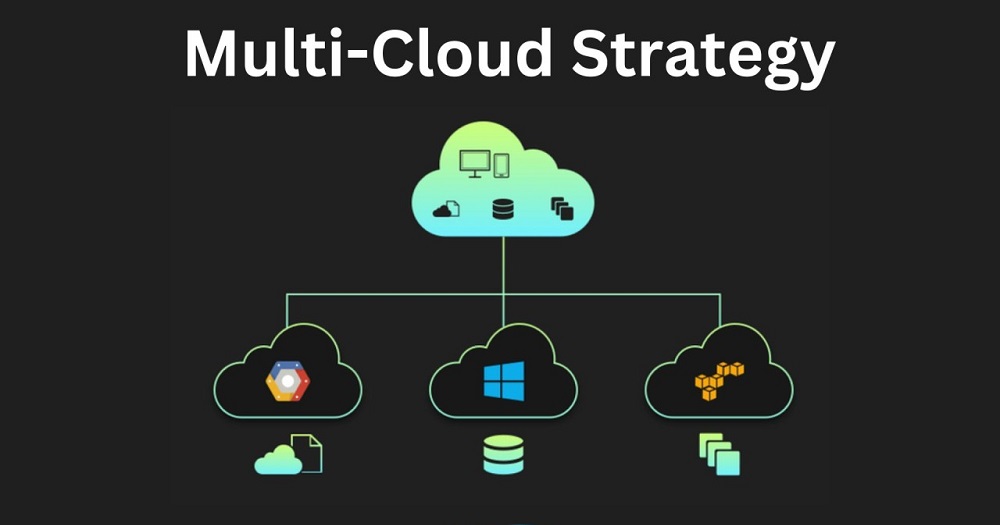
Multi cloud strategies involve using services from multiple cloud providers rather than relying on a single vendor. Organizations pursue multi cloud adoption for reasons related to flexibility performance resilience and compliance alignment.
Typical multi cloud objectives include:
- avoiding vendor dependency risks
- improving workload portability
- supporting regional availability requirements
- optimizing service selection across providers
- strengthening disaster recovery planning
When implemented carefully multi cloud strategies support long term infrastructure resilience.
However benefits depend heavily on structured governance and planning.
Pitfall One Treating Multi Cloud as a Default Strategy Instead of a Business Decision
Many organizations assume multi cloud adoption automatically improves infrastructure performance. In reality multi cloud strategies should reflect specific operational needs rather than technology trends.
Risks associated with default adoption include:
- unnecessary architecture complexity
- duplicated infrastructure management tasks
- increased operational costs
- fragmented monitoring workflows
Organizations benefit from aligning cloud strategies with clearly defined objectives.
Strategic clarity improves implementation outcomes.
Pitfall Two Underestimating Operational Complexity Across Platforms
Each cloud provider offers different interfaces deployment workflows and configuration structures. Managing multiple platforms simultaneously increases operational demands.
Operational complexity challenges include:
- inconsistent automation pipelines
- varied deployment configuration requirements
- multiple identity management systems
- separate monitoring dashboards
Without centralized coordination teams may struggle to maintain consistent performance across environments.
Operational planning supports smoother integration.
Pitfall Three Lack of Unified Governance Frameworks
Governance plays a critical role in maintaining visibility and compliance across distributed infrastructure environments. Organizations sometimes overlook the importance of unified governance policies when expanding into multi cloud environments.
Governance gaps may result in:
- inconsistent security enforcement
- policy alignment difficulties
- compliance monitoring limitations
- fragmented resource allocation controls
Unified governance structures support consistent infrastructure management.
Clear policies strengthen operational accountability.
Pitfall Four Inconsistent Security Architecture Across Providers
Security frameworks must remain consistent across all cloud environments to reduce vulnerability exposure. Differences in provider configurations can create unexpected security gaps.
Security challenges often include:
- inconsistent identity access management policies
- fragmented encryption configuration practices
- varied logging visibility across environments
- differences in threat detection capabilities
Organizations benefit from centralized security strategies that operate across providers.
Consistent security architecture strengthens resilience.
Pitfall Five Limited Visibility Into Cross Cloud Performance Metrics
Monitoring distributed workloads across multiple platforms requires integrated visibility systems. Organizations sometimes rely on provider specific dashboards that limit overall insight.
Limited visibility may result in:
- delayed incident response
- inefficient resource allocation
- incomplete performance trend analysis
- difficulty identifying cross platform bottlenecks
Centralized monitoring improves operational transparency.
Integrated analytics support faster troubleshooting.
Pitfall Six Unexpected Cost Management Challenges
Multi cloud environments can increase infrastructure spending if cost tracking systems remain fragmented. Pricing models differ between providers and may complicate budgeting efforts.
Cost management risks include:
- overlapping resource provisioning
- inconsistent usage tracking
- duplicated storage services
- inefficient workload placement decisions
Organizations benefit from centralized cost optimization frameworks.
Clear cost visibility supports responsible scaling decisions.
Pitfall Seven Overlooking Data Transfer Complexity Between Providers
Data movement between cloud environments introduces latency considerations and potential cost increases. Organizations sometimes underestimate these impacts during architecture planning.
Data transfer challenges include:
- inter cloud bandwidth limitations
- increased latency for distributed workloads
- unexpected transfer pricing structures
- replication synchronization complexity
Strategic workload placement reduces unnecessary transfer requirements.
Efficient data architecture improves performance consistency.
Pitfall Eight Misalignment Between Application Architecture and Multi Cloud Goals
Applications designed for single provider environments may require modification before operating effectively across multiple platforms.
Architecture misalignment risks include:
- compatibility limitations across services
- inconsistent scaling behavior
- deployment automation challenges
- configuration management complexity
Cloud native design principles support multi cloud flexibility.
Architecture readiness improves deployment success.
Pitfall Nine Insufficient Automation Across Multi Cloud Environments
Automation plays a central role in managing distributed infrastructure efficiently. Organizations sometimes rely on manual processes that increase operational risk.
Automation gaps may lead to:
- configuration inconsistencies
- delayed deployment cycles
- increased human error probability
- slower recovery from service disruptions
Infrastructure automation improves reliability across environments.
Automation frameworks support scalability.
Pitfall Ten Ignoring Identity and Access Management Coordination
Identity management systems often differ across cloud providers. Without centralized coordination access control policies may become inconsistent.
Identity coordination challenges include:
- duplicated authentication configurations
- inconsistent privilege assignment policies
- limited audit visibility across platforms
- increased administrative overhead
Unified identity strategies improve security and efficiency.
Access consistency strengthens compliance readiness.
Pitfall Eleven Fragmented Disaster Recovery Planning
Organizations frequently assume multi cloud adoption automatically improves resilience. However disaster recovery planning requires deliberate architecture alignment.
Recovery planning challenges include:
- incomplete failover strategy coordination
- inconsistent backup configuration practices
- replication timing limitations
- dependency mapping complexity
Structured recovery planning strengthens availability outcomes.
Resilience depends on coordinated strategy rather than provider diversity alone.
Pitfall Twelve Skills Gaps Within Infrastructure Teams
Managing multiple cloud environments requires expanded technical expertise. Organizations sometimes underestimate training requirements during multi cloud adoption.
Skills related challenges include:
- limited familiarity with provider specific tools
- configuration management complexity
- integration workflow knowledge gaps
- monitoring platform interpretation difficulties
Training programs support effective multi cloud management.
Skilled teams improve infrastructure reliability.
Pitfall Thirteen Compliance Monitoring Complexity Across Regions
Regulatory requirements often vary across geographic regions. Multi cloud environments must support compliance alignment across multiple jurisdictions.
Compliance challenges include:
- differing data residency requirements
- varied audit documentation expectations
- inconsistent reporting standards
- cross border data handling restrictions
Centralized compliance frameworks improve regulatory alignment.
Compliance readiness supports operational stability.
Pitfall Fourteen Vendor Tool Lock In Within Multi Cloud Environments
Ironically some organizations adopt multi cloud strategies to avoid vendor dependency but still rely heavily on provider specific tools that limit portability.
Vendor tool lock in risks include:
- service configuration compatibility constraints
- migration difficulty between providers
- dependency on proprietary monitoring systems
- limited workload portability options
Open architecture approaches improve flexibility.
Portability planning strengthens strategic independence.
Pitfall Fifteen Lack of Centralized Observability Across Environments
Observability helps organizations understand system behavior across distributed services. Multi cloud environments require integrated telemetry analysis.
Observability limitations may result in:
- incomplete service dependency visibility
- delayed anomaly detection
- inconsistent logging analysis workflows
- fragmented incident response coordination
Centralized observability improves troubleshooting accuracy.
Integrated telemetry supports operational awareness.
Pitfall Sixteen Overestimating Immediate Performance Gains
Some organizations expect automatic performance improvements when adopting multi cloud strategies. Performance benefits depend on workload placement rather than provider quantity.
Performance misconceptions may lead to:
- inefficient architecture distribution
- unnecessary service duplication
- increased network complexity
Performance optimization requires workload specific planning.
Strategic deployment improves outcomes.
Best Practices for Avoiding Multi Cloud Strategy Pitfalls
Organizations can reduce risk by following structured implementation approaches.
Recommended practices include:
- aligning cloud adoption with business objectives
- implementing centralized governance frameworks
- standardizing security policies across providers
- integrating unified monitoring platforms
- supporting workforce training initiatives
- designing applications for portability
Structured planning improves long term success.
Strategic coordination supports operational stability.
Future Trends Shaping Multi Cloud Strategy Development
Multi cloud strategies continue evolving alongside infrastructure automation analytics platforms and regulatory expectations.
Emerging developments include:
- expanded cross cloud orchestration platforms
- integrated cost optimization analytics tools
- unified identity federation frameworks
- automated compliance monitoring systems
- improved workload portability standards
- advanced telemetry correlation platforms
These innovations will strengthen multi cloud adoption effectiveness.
Organizations will increasingly rely on integrated management platforms.
Conclusion
Multi cloud strategies offer flexibility resilience and scalability benefits when implemented with careful planning. However organizations frequently overlook operational governance security and integration challenges that influence long term success. Addressing these pitfalls early supports more efficient infrastructure management and reduces risk exposure across distributed cloud environments.
By aligning architecture with business objectives investing in automation strengthening observability and maintaining consistent security frameworks organizations can maximize the value of multi cloud adoption while avoiding common implementation mistakes.
Frequently Asked Questions
1. How does multi cloud differ from hybrid cloud architecture
Multi cloud uses services from multiple providers while hybrid cloud combines on premises infrastructure with public cloud environments.
2. Why do organizations adopt multi cloud strategies instead of relying on one provider
Organizations seek flexibility redundancy regulatory alignment and service optimization across providers.
3. Can small organizations benefit from multi cloud adoption
Benefits depend on workload complexity and operational requirements rather than organization size alone.
4. How does multi cloud adoption influence application development practices
Developers often prioritize portability automation and service abstraction when supporting multiple platforms.
5. Are multi cloud strategies more secure than single provider environments
Security depends on implementation quality rather than the number of providers involved.
6. How do organizations measure success in multi cloud deployments
Success is typically evaluated through performance reliability cost efficiency and operational visibility improvements.
7. What role does automation play in managing multi cloud environments
Automation helps maintain configuration consistency improve deployment speed and reduce operational risk across platforms