
 By
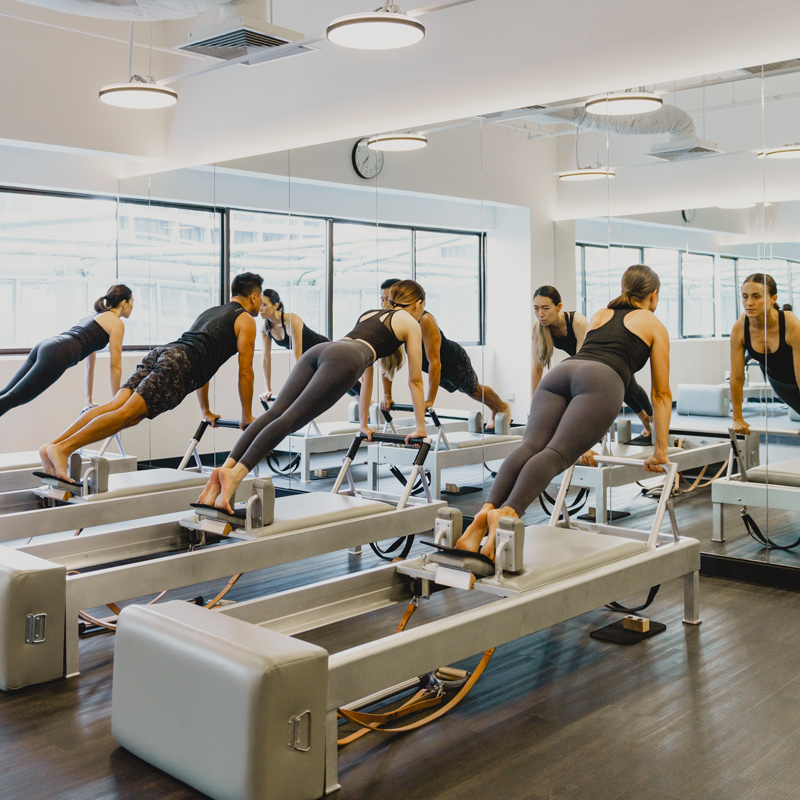
By Reformer Pilates challenges the body in a way that feels controlled and precise, yet the internal demand on connective tissue is significant. Tendons, ligaments, and joint capsules adapt more slowly than muscles, which means recovery is not only about rest but also about nutrition. For those practising reformer pilates Singapore regularly, food choices play a critical role in how well the body repairs, stabilises, and becomes more resilient over time.
In Singapore, where busy schedules and convenient meals dominate daily routines, recovery nutrition often becomes an afterthought. However, when aligned properly, everyday food choices can meaningfully support tendon health, joint comfort, and long term movement quality.
Why Tendon Recovery Needs Special Attention
Tendons connect muscle to bone and are responsible for transferring force during movement. Unlike muscles, tendons have limited blood supply, which means they repair and adapt more slowly.
Reformer Pilates places consistent, controlled tension on tendons through:
-
Slow eccentric loading
-
Sustained isometric holds
-
Repeated spring resistance
-
Deep range joint work
-
Stabilisation under movement
These elements strengthen tendons over time, but only when recovery needs are met.
Common Signs of Poor Tendon Recovery
Without adequate nutritional support, tendon stress can accumulate.
Signs include:
-
Morning joint stiffness
-
Dull aches around knees, hips, or shoulders
-
Reduced elasticity during movement
-
Delayed soreness after sessions
-
Feeling weaker despite consistent practice
Food provides the building blocks that help tendons adapt rather than break down.
Protein Quality Over Quantity
Protein intake is often discussed in terms of muscle growth, but tendon repair requires specific amino acids.
Tendon tissue relies heavily on:
-
Glycine
-
Proline
-
Hydroxyproline
These amino acids support collagen synthesis, which is essential for tendon strength and elasticity.
Protein Sources That Support Tendon Health
In Singapore, accessible options include:
-
Eggs, especially whole eggs
-
Fish such as ikan kembung or salmon
-
Chicken with connective tissue
-
Bone based soups and broths
-
Tofu and tempeh paired with vitamin C rich foods
Rather than increasing protein indiscriminately, focusing on quality and timing improves outcomes.
Collagen Timing for Better Adaptation
Collagen production is stimulated when the body receives the right nutrients before loading.
Consuming collagen supportive foods:
-
About 30 to 60 minutes before reformer sessions
-
Alongside vitamin C sources
-
In moderate portions rather than large meals
This timing supports tendon response to mechanical stress during training.
Vitamin C rich foods commonly available include:
-
Oranges
-
Guava
-
Kiwi
-
Bell peppers
-
Leafy greens
This combination encourages more efficient collagen synthesis.
Carbohydrates and Joint Recovery
Carbohydrates are often misunderstood in recovery nutrition. For reformer Pilates practitioners, carbohydrates play a key role in tissue repair.
They help:
-
Replenish glycogen
-
Reduce stress hormone levels
-
Support nervous system recovery
-
Improve training consistency
Low carbohydrate intake can increase perceived joint stiffness and prolong soreness.
Practical Carb Choices in Singapore
Balanced options include:
-
Brown rice or mixed grain rice
-
Sweet potato
-
Oats
-
Wholemeal bread
-
Fruits consumed post session
These choices support recovery without excessive spikes when paired with protein and fats.
Fats That Support Joint Comfort
Healthy fats contribute to joint lubrication and inflammation balance.
Beneficial fat sources include:
-
Fatty fish
-
Olive oil
-
Avocado
-
Nuts and seeds
-
Sesame oil used moderately
Including these regularly helps reduce low grade inflammation that can interfere with tendon recovery.
Hydration and Connective Tissue Health
Hydration affects joint cushioning and tissue elasticity. In Singapore’s humid climate, dehydration is common even among active individuals.
Signs of poor hydration include:
-
Increased joint stiffness
-
Reduced movement fluidity
-
Slower recovery
-
Fatigue during sessions
Simple hydration strategies:
-
Drinking water consistently throughout the day
-
Including electrolytes when sweating heavily
-
Consuming water rich foods such as fruits and soups
Bone broths and clear soups commonly found locally can support both hydration and collagen intake.
Post Session Recovery Meals That Work
Recovery meals should support repair without overwhelming digestion.
Effective post session meals combine:
-
Protein for tissue repair
-
Carbohydrates for glycogen replenishment
-
Healthy fats for inflammation control
Examples include:
-
Fish soup with rice and vegetables
-
Chicken rice with reduced oil and added greens
-
Tofu stir fry with mixed vegetables and grains
-
Eggs with wholemeal toast and fruit
These meals are realistic within local food culture and schedules.
Reducing Foods That Slow Recovery
Certain food patterns can interfere with tendon repair when consumed excessively.
These include:
-
Highly processed snacks
-
Excessive sugary drinks
-
Frequent deep fried foods
-
Irregular meal timing
Occasional indulgence is normal, but consistency matters when recovery is the goal.
Meal Timing Around Reformer Practice
Timing influences how nutrients are used.
Helpful guidelines:
-
Eat light meals 60 to 90 minutes before sessions
-
Avoid heavy, greasy foods before training
-
Prioritise recovery meals within two hours after
-
Maintain regular meal patterns on training days
This structure supports both performance and recovery.
Nutrition and Long Term Injury Prevention
Food choices accumulate effects over time. When recovery nutrition aligns with reformer practice, the body becomes more resilient.
Long term benefits include:
-
Reduced joint discomfort
-
Better movement consistency
-
Improved training tolerance
-
Faster recovery between sessions
-
Greater confidence in physical activity
This supports sustainable practice rather than short term results.
Creating a Supportive Practice Environment
Training consistency and recovery quality are influenced by the environment. Education around movement and recovery encourages better outcomes.
At Yoga Edition, reformer practice emphasises sustainable progress and body awareness, which pairs naturally with mindful recovery strategies beyond the studio.
Who Should Prioritise Recovery Nutrition Most
This approach is especially valuable for:
-
Individuals practising reformer multiple times weekly
-
Those returning after injury
-
Adults over 35
-
People experiencing recurring joint discomfort
-
Anyone aiming for long term movement health
Recovery nutrition is not about restriction but about support.
Real-Life FAQs
Q: Do I need collagen supplements for tendon recovery?
A: Supplements are optional. Many people can meet collagen needs through whole foods when timed correctly and combined with vitamin C.
Q: Can I practise reformer Pilates on an empty stomach?
A: Light practice may be fine, but regular training benefits from some nutrition to support tendon loading and recovery.
Q: How much protein is enough for recovery?
A: Needs vary, but spreading protein intake across meals supports better tissue repair than consuming it all at once.
Q: Are plant based diets suitable for tendon recovery?
A: Yes, when planned carefully with adequate protein variety, vitamin C, and overall energy intake.
Q: Why do my joints feel stiff even though I eat well?
A: Recovery also depends on hydration, sleep, stress, and training load. Food is one part of a larger system.
Q: Should I change what I eat on rest days?
A: Slightly reducing portion sizes is fine, but maintaining protein and hydration supports ongoing repair.